Local Pleasanton Building Code Compliance
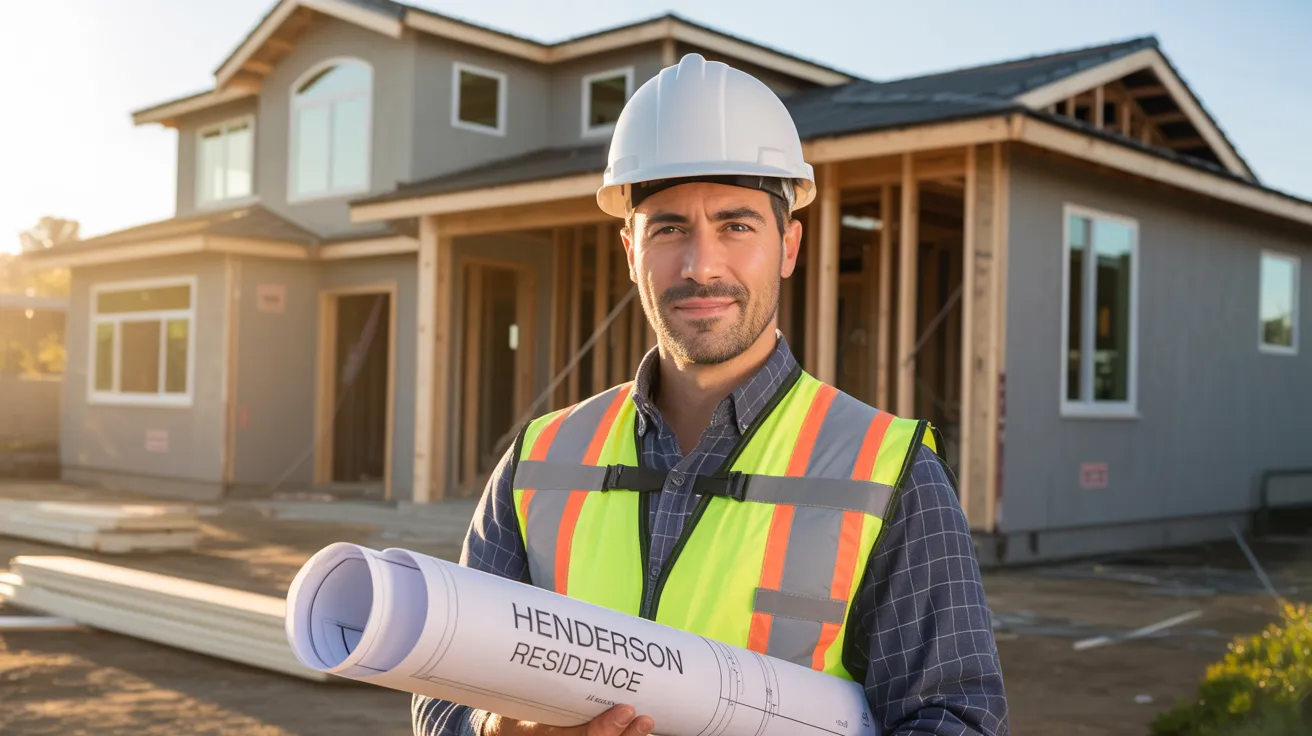
Teaming up with a Pleasanton general contractor and certified home inspection team delivers comprehensive control of the complete process of remodeling and construction—covering permitting, regulation-compliant workmanship, safety inspections, and local law compliance. Inspection teams analyze structural components, electrical infrastructure, plumbing, and HVAC, identifying safety concerns and code violations along with thorough reports for necessary fixes. Regional professionals coordinate schedules, promptly address issues, and help increase property value. You'll also learn how these specialists improve project results and secure your investment.
Key Takeaways
Exploring the Role of a General Contractor in Pleasanton
When you're planning a construction or renovation project in Pleasanton, a general contractor serves as the licensed professional tasked with coordinating all project stages, from initial permitting through final inspection. You'll count on them to organize subcontractors, procure materials, and ensure full compliance with California Building Code and local Pleasanton ordinances. When implementing sustainable building practices, your contractor will help you in picking eco-friendly materials, installing energy-efficient systems, and securing green certifications. In heritage restoration projects, they'll guarantee any restoration or renovation work meets historic district guidelines and protects architectural integrity. By utilizing their expertise, you avoid costly code violations and improve communication between architects, engineers, and city officials, guaranteeing your project is finished efficiently, safely, and to compliance standards.
Comprehensive Home Inspection Services Available
Together with the essential management offered by a general contractor, detailed home inspection services play a pivotal role in Pleasanton construction and real estate. When you arrange a thorough inspection, licensed professionals assess building stability, electrical systems, HVAC, plumbing, foundation, and roofing. They implement a thorough inspection checklist to verify each component satisfies current California Building Code requirements. Inspectors identify problems, safety concerns, and code violations that may impact home safety or future resale value. By using advanced diagnostic tools, they detect hidden issues such as moisture intrusion, wiring problems, or inadequate insulation. You'll obtain a comprehensive inspection report, outlining all findings and proposed corrective actions. With this data, you can make informed decisions, plan improvements, and stay compliant with local and state regulations.
Crucial Benefits of Working With Area Experts
Selecting Pleasanton-based general contractors and home inspectors provides a significant advantage as local expertise significantly affects project quality and compliance. You gain from professionals who understand local construction regulations, zoning laws, and licensing requirements, guaranteeing your project follows all legal standards. Local experts cultivate partnerships with trusted suppliers and subcontractors, which improves project timing and supply acquisition. Their familiarity with Pleasanton's architectural styles helps them to suggest improvement options that provide both functional upgrades and visual appeal tailored to your home's character. Furthermore, they're readily available for on-site inspections and follow-up assistance, decreasing delays and workflow disruptions. By utilizing their expertise and connections, you minimize risks, enhance investment returns, and confirm your renovation satisfies both safety standards and comfort needs.
Breaking Down the Remodeling and Renovation Process
Your remodeling project begins with an in-depth design consultation, where design professionals guarantee all specifications complies with local building codes. When work commences, certified contractors supervise structural work, quality checks, and regulatory requirements. The renovation finishes with finishing details, thorough inspections, and a comprehensive walkthrough to confirm each element complies with industry standards.
Planning and Design Phase
Before initiating any construction or demolition, the design and planning stage sets the project's budget, scope, and adherence to local building regulations. You'll work with your general contractor to outline your renovation objectives, assess site conditions, and determine any structural or mechanical constraints. During this phase, precise measurements and existing condition drawings are vital for thorough project planning. Material specification is essential; you'll assess options for durability, aesthetics, and code compliance, ensuring that the products fulfill both your needs and local codes. Incorporating current design trends helps create a modern, functional space while protecting resale value. Your contractor will also assist with required permits and work with architects or designers to complete construction documents. A complete plan decreases costly changes during later phases and streamlines project execution.
Assembly and Last Details
Once your plans are approved and permits are in place, construction begins with initial site work, including debris cleanup, structural protection, and demolition work. Your contractor manages framing, electrical, plumbing, and HVAC installations, ensuring all work adheres to California building codes and energy efficiency standards. You'll see window and insulation improvements to maximize home energy performance. Once rough-ins are complete, installation of drywall, flooring, and cabinetry proceeds, with each trade adhering to specific requirements and inspection protocols.
As work draws to a close, workers install interior finishes—including paint, trim, and fixtures—and carry out landscape planning to improve visual appeal and drainage efficiency. The last steps involve operational verification, remedying outstanding issues, and thorough cleanup of the workspace. Your contractor schedules a final building inspection to ensure regulatory adherence and provide a safe and effective transformation.
Maintaining Regulatory Compliance and Safety Protocols
It's important to ensure all projects align with Pleasanton's building codes and zoning ordinances. By detecting safety hazards during reviews, you're mitigating risks and ensuring occupant security. Rigorous following of regulations helps prevent future legal expenses and regulatory problems.
Complying with Local Standards
When undertaking construction and renovation work in Pleasanton creates promising possibilities to upgrade your property, rigorous observation of local building codes and safety regulations is crucial. You must secure all necessary building permits ahead of initiating any work, as these permits ensure that your plans satisfy municipal requirements. Carefully consider zoning regulations, which dictate allowed property applications, setbacks, height limitations, and occupancy classifications. Disregarding these requirements can result in costly fines, project delays, or mandatory reversals of unauthorized work. As a homeowner or contractor, it's your obligation to work alongside city officials and inspectors at each project phase, maintaining code compliance throughout. By emphasizing compliance with Pleasanton's specific codes, you safeguard your property, support community safety, and expedite the authorization process for your renovation or construction endeavor.
Spotting Safety Concerns
How can you ensure your project not only complies with Pleasanton's building codes but also protects its occupants? The answer lies in comprehensive hazard identification throughout every construction and inspection phase. You'll need to systematically assess safety concerns, from wiring installations and structural soundness to fire egress and ventilation systems. Utilize industry-standard checklists and consult the California Building Code to guide your evaluations. Make sure to check for site-specific risks, such as trip hazards or inadequate handrails, which can compromise safety compliance. Hire qualified inspectors who are experienced in detecting both obvious and underlying deficiencies. By focusing on hazard identification, you'll confirm each component—from load-bearing walls to fire alarms—meets code and safety standards. This proactive approach decreases potential dangers and instills confidence in your project's integrity.
Managing Future Exposure
Though hazard identification is essential, avoiding future liabilities calls for a preventative strategy grounded in rigorous code compliance and adherence to recognized safety standards. You must verify all construction and renovation work meets current building codes, from structural soundness to fire safety requirements. Pay attention to the significance of implementing energy efficiency upgrades—adding high-performance insulation, compliant HVAC systems, and low-emissivity windows decreases future risks while supporting sustainability. Landscaping features must also conform to local ordinances, ensuring proper drainage, non-invasive species, and fire-safe clearances. By meticulously documenting all inspections, permits, and corrective actions, you create a defensible record that shields you from legal exposure. Prioritize continuous education on evolving regulations, so your projects regularly surpass Pleasanton's safety and environmental expectations, successfully minimizing future liabilities.
How to Choose the Right Contractor for Your Project
Prior to selecting a general contractor for your Pleasanton construction work, you'll need to assess their credentials, insurance, and history with local building codes. Verify the contractor licensing through the California Contractors State License Board (CSLB) to guarantee they meet state and municipal requirements. Verify they carry both general liability and workers' compensation insurance to safeguard you from potential claims. Request references for completed projects similar to yours to assess compliance and workmanship quality. During project budgeting, review the work requirements, itemized estimates, and likelihood of cost overruns. Insist on a written contract that describes project specifications, payment schedules, and timelines. Prioritize contractors who demonstrate transparency, code compliance, and familiarity with Pleasanton's permitting process to reduce delays and secure a successful build.
Frequent Problems Found in Home Inspections
As professional inspectors evaluate properties in Pleasanton, experts frequently identify issues like improper electrical systems, deteriorating plumbing components, and compromised roof conditions. These concerns typically influence your safety as well as ongoing maintenance expenses. Assessment findings frequently show improper GFCI outlets, overloaded circuit breakers, or corroded plumbing. Professional assessment includes inadequate attic insulation, moisture issues in crawl spaces, and damaged siding components—which may not meet building regulations or compromise building integrity. HVAC systems require careful review; dirty filters or malfunctioning temperature controls often indicate neglected maintenance. Through addressing these common issues, you'll ensure your property meets code requirements and reduce future repair costs, making regular inspections an essential aspect of diligent home management.
Increasing Home Worth Using Quality Workmanship
Since home appraisers and potential buyers scrutinize construction quality, focusing on skilled workmanship significantly affects your property's value and desirability. When you partner with a licensed contractor with a solid reputation, you ensure all upgrades and repairs comply with current building codes and industry standards. Use sustainable materials like eco-friendly flooring green insulation, or eco-conscious finishes to enhance both longevity and eco-friendliness. Installing eco-friendly features—such as energy-efficient HVAC systems, water-conscious appliances, and renewable energy preparation—both decreases operating costs but also draws environmentally conscious buyers. Quality workmanship means accurate installations, properly certified utilities, and perfect finishing touches. In the end, prioritizing technical precision and green features establishes your property as a top contender in Pleasanton's active property market.
Client Success Stories and Testimonials
You'll explore firsthand accounts of remarkable renovation endeavors that satisfied strict construction requirements and went beyond client requirements. Clients also share how detailed home inspections offered reassurance by revealing concealed defects or regulatory concerns. These success stories highlight how expert project management frequently results in unexpected project outcomes that stay on schedule and within regulatory guidelines.
Life-Changing Home Renovation Stories
While every renovation project presents unique challenges, our clients regularly see exceptional results that surpass industry norms. You benefit from our expertise in material selection, delivering strength, energy savings, and adherence to local regulations. We prioritize home safety by incorporating safety-rated systems, child-proof outlets, and robust structural elements. Customers frequently mention how our organized approach to management limits disruption, adheres to schedules, and maintains open communication throughout each phase.
Our work features kitchens upgraded with non-slip flooring and bathrooms outfitted with ADA-compliant fixtures, directly improving occupant safety. You'll notice the difference in our attention to ventilation, moisture barriers, and load-bearing calculations. These technical details aren't just about aesthetics—they ensure real-world performance and code-compliant results, turning your vision into a secure, premium living space.
Peace of Mind Through Inspection
Having a detailed inspection protocol direct your renovation or construction project, you'll feel assured in the building safety and regulatory adherence of all phases. Property owners often mention how milestone and pre-build assessments reveal potential issues early, guaranteeing building security and peak energy conservation. You'll benefit from how infrared scanning detects insulation deficiencies, while humidity sensors identify hidden leaks, both critical to ensuring a secure, energy-efficient space. Comprehensive documentation reveals electrical system integrity and heating and cooling functionality, so you're always informed about code compliance and long-term durability. Homeowner reviews regularly stress confidence from knowing licensed inspectors verify all construction elements. Such certification not only safeguards your property but also confirms your building achieves the most recent safety and energy guidelines.
Unforeseen Project Wins
Thorough inspection protocols typically reveal concealed problems, enabling customers to realize results beyond original plans. When you request a basic remodel, our assessment process usually reveals hidden concerns—like outdated electrical systems or poor drainage systems. In tackling these regulatory issues early, we both avoid subsequent issues but also create opportunities for enhancements. As an illustration, a homeowner recently profited when a regular evaluation resulted in better landscape architecture; correct leveling and water management now safeguard their structure and boost outdoor appearance. A different client found that correcting weatherization and light fixtures during renovations improved their interior styling goals, increasing both comfort and utility performance. Using our thorough process, you'll achieve improvement results that surpass the starting vision, delivering lasting, beneficial outcomes.
Arrange Your Next Project or Inspection
When you've identified the extent of your project requirements, it's vital to book your project with a licensed Pleasanton general contractor who adheres to local building codes and industry standards. Start by reviewing your availability and aligning it with the contractor's project calendar, ensuring minimal disruption to your daily get more info routine. Ensure that your contractor incorporates considerations for eco-friendly practices and energy optimization into the project timeline—these factors may influence material lead times and required inspections. Ask for a detailed project schedule, including key deadlines for obtaining permits, rough-in inspections, and final walkthroughs. Make sure they coordinate with city inspectors for code compliance at each phase. By proactively scheduling, you'll streamline workflow, minimize setbacks, and help ensure your project proceeds efficiently and safely.
FAQ
How Much Do Home Inspections Typically Cost in Pleasanton?
While evaluating home inspection costs, you'll discover Pleasanton rates usually range from $400 to $600 for a typical single-family residence. Costs can vary based on square footage, building age, and supplementary assessments like sewer line inspection or mold testing. Inspectors assess building structure, heating and cooling, wiring standards, and roof condition. It's important to verify your inspector follows California code standards, so you get a comprehensive assessment and avoid future compliance problems.
Are Contractors in Pleasanton Licensed & Insured?
When you hire a contractor, be sure to confirm proper licensing and insurance documentation prior to beginning work. Contractors with proper licensing comply with California's stringent code compliance standards and carry general liability along with workers' compensation insurance. Never assume contractors have proper credentials. Request licensing information and insurance documentation, then check their credentials with the Contractors State License Board. This shields you from legal problems and makes sure your project follows industry specifications.
What's the Typical Duration of a Home Inspection?
Upon scheduling a home inspection, you can plan for the home inspection duration to typically take two to three hours for a standard single-family residence. During the inspection process steps, the inspector thoroughly evaluates key areas such as structure, electrical, plumbing, HVAC systems, and roofing for code compliance and safety issues. More extensive properties or those with complex installations could take longer to inspect. You'll receive a detailed report outlining all findings and recommendations for improvements or additional assessment.
Can I Attend the Home Inspection With the Inspector?
Imagine accompanying the inspector, as flashlight beams reveal every corner—absolutely, you may attend the home inspection. Your presence during the inspection gives you firsthand exposure to the process, permitting you to raise concerns immediately. The inspector's comprehensive overview concerning building strength, code compliance, and mechanical operations will give you clarity about the property's condition. With your presence, you'll gather crucial details about required fixes, potential hazards, and upkeep needs directly from a licensed professional.
Are Free Estimates Available for Remodeling Projects
Many remodeling professionals offer a no-cost evaluation for remodeling projects, allowing you to review project expenses before committing. During this process, you'll obtain an in-depth work breakdown, product options, and preliminary pricing. Verify the estimate includes labor, materials, and code compliance considerations, such as needed documentation and inspections. Check with your contractor if their complimentary quote covers all phases, enabling you to accurately budget for your remodel and avoid unexpected expenses.
Final Thoughts
Never let worries about disruption or complicated regulations prevent you—when you hire a Pleasanton general contractor who emphasizes code compliance and precision, you secure smooth project execution and complete compliance with local building codes. With certified home inspection services, you'll discover hidden problems before they become costly repairs. Rely on local expertise to improve your home's value and safety, converting any home project into a hassle-free, smooth process that satisfies every professional standard.